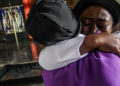
A movement called young women for life, representing rape survivors in South Africa, has taken to the streets outside magistrate courts across the country, protesting what they describe as a “broken justice system” that repeatedly fails victims of sexual violence. Holding placards reading “No bail for rapists” and “Justice for survivors”, the protesters say they are outraged by how easily accused rapists are granted bail — and by the alarmingly low conviction rates that allow many perpetrators to walk free.
The protests, which have taken place in cities including Johannesburg, Durban, and Cape Town, are part of a sustained campaign by survivors and gender justice activists who say that the criminal justice system compounds the trauma of rape. “We are not just fighting for ourselves,” said one survivor outside the Johannesburg Magistrate Court. “We are fighting for every woman, girl, and child who has been told their pain does not matter.”
South Africa has some of the highest rates of sexual violence in the world. According to police statistics, more than 42,000 rapes were reported in the 2023/24 financial year — a figure widely believed to underestimate the true scale of the crisis. Yet convictions remain distressingly rare. Studies show that only a small fraction of reported cases ever make it to trial, and even fewer end in guilty verdicts.
Survivors and activists say the justice system’s leniency toward accused rapists starts at the bail stage. In many cases, suspects are released within days of arrest, even when there is compelling evidence against them or when victims fear intimidation and retaliation. “We come to court hoping for justice, but instead we watch the people who violated us walk free before the trial even begins,” said another protester, who asked not to be named for safety reasons.
Legal experts acknowledge that bail is a constitutional right, but activists argue that courts too often prioritise the rights of the accused over the safety and dignity of survivors. “The system is heavily tilted in favour of perpetrators,” said gender justice advocate Nombuso Khumalo. “When accused rapists are granted bail without proper assessment of the risks, it sends a chilling message to survivors: that their lives and safety are secondary.”
The movement is also calling for urgent reforms to improve conviction rates in rape cases. Survivors say they face systemic barriers at every step — from police officers who discourage them from opening cases, to prosecutors who drop charges due to “insufficient evidence,” often the result of shoddy investigations. Many are retraumatised by lengthy court delays and aggressive cross-examinations that cast doubt on their credibility.
“This is why many women never report rape at all,” said Khumalo. “They know the chances of justice are slim. And when they do report, they are often violated a second time by the system meant to protect them.”
The protesters are demanding a review of bail procedures in sexual violence cases, better training for police and prosecutors, and the creation of specialised courts to handle gender-based violence. They are also urging Parliament to hold public hearings on systemic failures in rape prosecutions.
Until then, they say, the protests will continue. “We will not be silent,” declared one survivor outside the Durban court. “If the justice system refuses to change, we will bring the fight for justice to its very doorstep.”