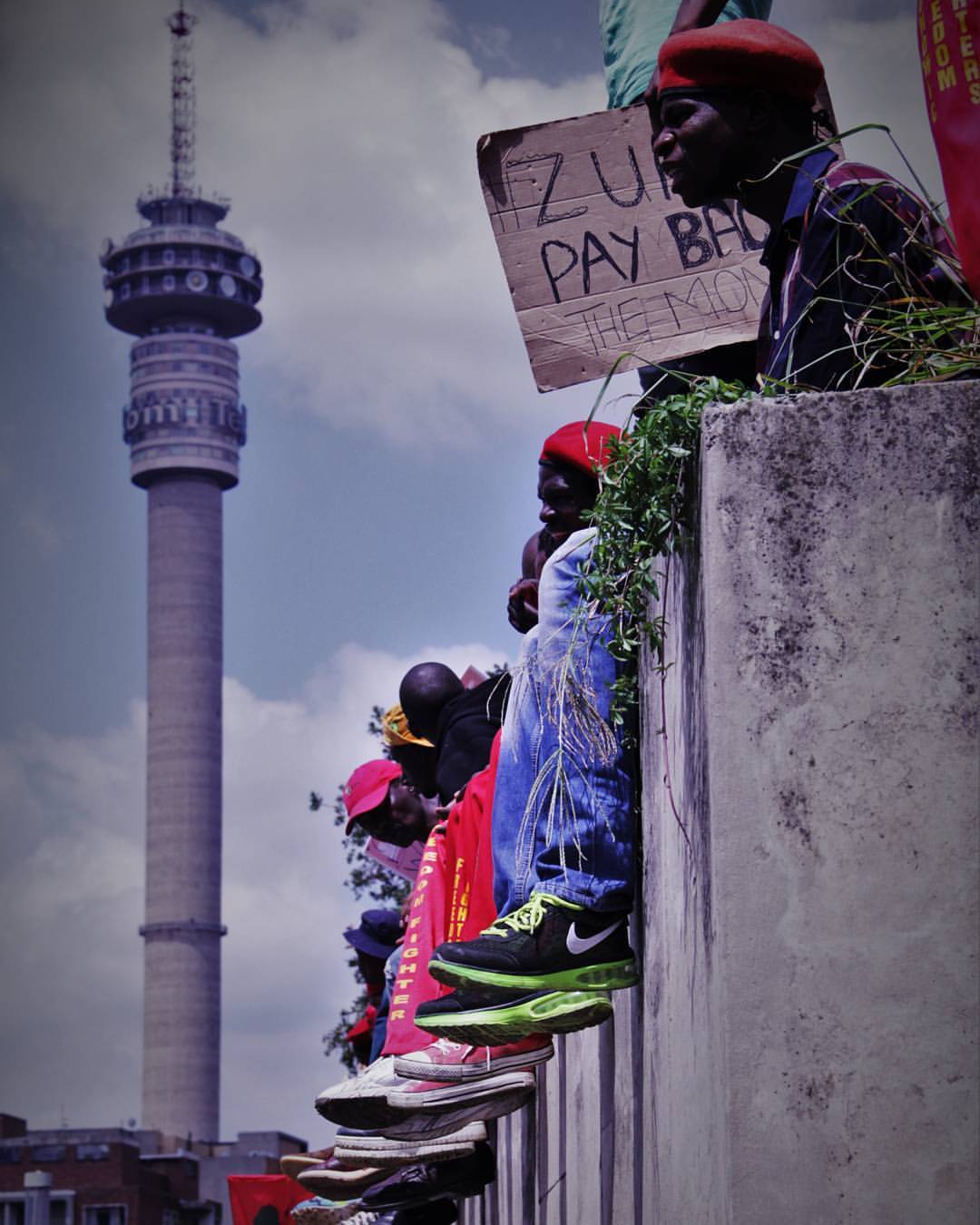
The demand for reparation for the coal mine workers in South Africa is a demand for the global north to repay its ecological debt
For more than a century, coal has been the backbone of South Africa’s economy. It has powered our industries, fueled our homes, and generated the electricity that made modern life possible. But it has also left behind a hidden, devastating legacy — tens of thousands of mine workers whose lungs are scarred by coal dust, whose lives have been cut short by pneumoconiosis, silicosis, and tuberculosis, and whose families remain trapped in cycles of poverty and loss.
The demand for reparation for these coal sick mine workers is not simply about justice within South Africa. It is also a demand that the global north acknowledge and repay its ecological debt to the global south.
South Africa mined, the north consumed
South African coal did not exist in isolation. For decades, coal exports powered European industries, and more recently, Asian markets. Wealth in London, Berlin, New York, and Beijing has been built on the backs of South African miners, most of them Black, most of them drawn from impoverished rural areas, and most of them returning home broken in health and body.
This is what we mean when we speak of an ecological debt: the global north — with its insatiable appetite for cheap energy and raw materials — has accumulated wealth at the cost of both the environment and the human beings in the global south. It has externalised the costs of industrial development onto workers’ lungs, polluted rivers, degraded land, and scarred communities.
Reparations must be more than compensation
In recent years, class action lawsuits have achieved partial victories for gold and coal miners. The Tshiamiso Trust, set up after the silicosis settlement, has begun paying out claims, though painfully slowly. But financial compensation, while necessary, is not enough. Reparations must be holistic:
-
For workers: comprehensive health care, dignified pensions, and recognition of their sacrifice.
-
For communities: investment in schools, housing, clinics, and economic alternatives to replace the mono-economies left behind by mining.
-
For the environment: cleaning up acid mine drainage, rehabilitating scarred landscapes, and moving toward a just transition that does not reproduce past exploitation.
Why the global north cannot look away
Too often, climate debates are framed as if the global south is “lagging behind” in climate responsibility. Yet the reality is the reverse: the global north is historically responsible for the overwhelming majority of carbon emissions. South African miners dug coal not for themselves but for an unequal world economy. To now lecture the south about “decarbonisation” without acknowledging the costs borne by workers and communities is another form of injustice.
Reparations for miners are therefore not only a domestic issue. They are a call for climate justice. If the global north is serious about its commitments under the Paris Agreement and about building a sustainable future, it must accept responsibility for the past. That means debt cancellation, climate finance, and direct contributions to health, development, and ecological restoration in coal regions.
A moral test for our time
The demand for reparations is not about guilt-tripping, nor is it about handouts. It is about justice. It is about acknowledging that the wealth of the north was built on the suffering of the south — and that true healing requires repair.
South African mine workers and their families are not statistics. They are fathers, mothers, brothers, and sisters who gave their lives so that the world could prosper. To ignore their claims is to ignore history. To meet them with reparations is to take one step toward a more just and sustainable world.
As South Africa debates its energy future and negotiates international climate finance, we must keep coal sick mine workers at the centre of the story. Their lungs carried the weight of our development. Their demand for reparations is, in truth, the world’s demand for ecological justice.